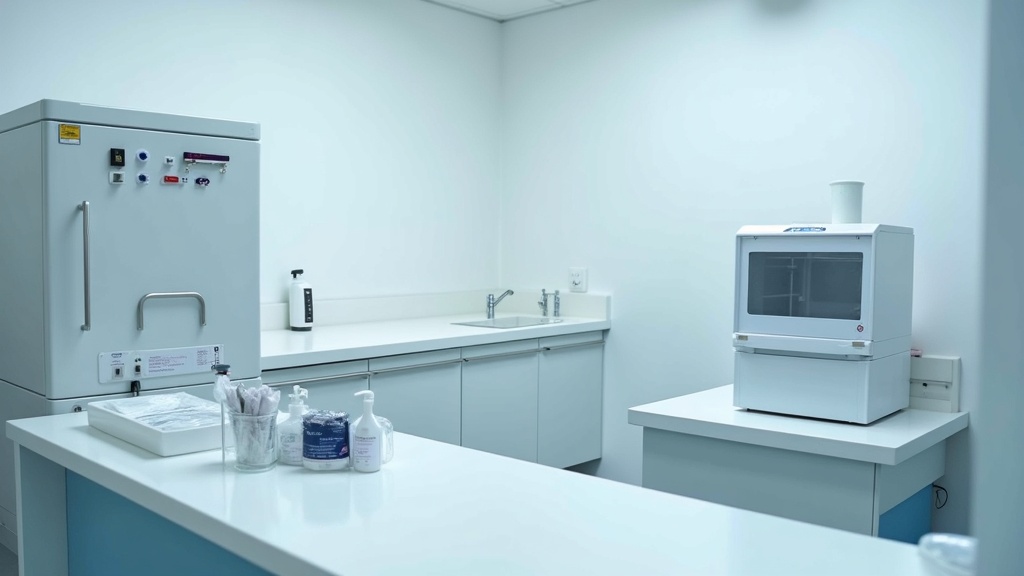
Navigating the world of permanent makeup (PMU) in the UK can be incredibly rewarding, but it comes with a crucial responsibility: understanding and adhering to the latest pmu regulations uk. As the industry evolves, so do the laws designed to protect both artists and clients. For 2026, staying compliant isn’t just good practice—it’s the foundation of a successful, reputable, and long-lasting career.
Many talented artists focus solely on their craft, sometimes overlooking the complex web of legal and safety requirements. However, a single compliance misstep can have serious consequences, from hefty fines to the loss of your business. That’s why at PMU Society, we believe that true professionalism combines artistic skill with a deep commitment to safety and regulatory adherence. This guide will walk you through everything you need to know about the permanent makeup licence uk 2026 and beyond.
Why You Can’t Afford to Ignore UK PMU Regulations
The permanent makeup industry is built on trust. Clients are placing their faces in your hands, and they expect a safe, clean, and professional experience. The regulations in place are not there to create barriers, but to establish a minimum standard of safety that protects the public and elevates the industry as a whole.
Ignoring these rules not only puts your clients at risk of infection, allergic reactions, or poor results, but it also exposes your business to severe legal and financial penalties. From local council fines to invalidating your pmu insurance uk, the cost of non-compliance is far greater than the investment required to do things right. By embracing these regulations, you position yourself as a true professional and build a brand that clients can trust.
Local Authority Licensing: The First Step to Compliance
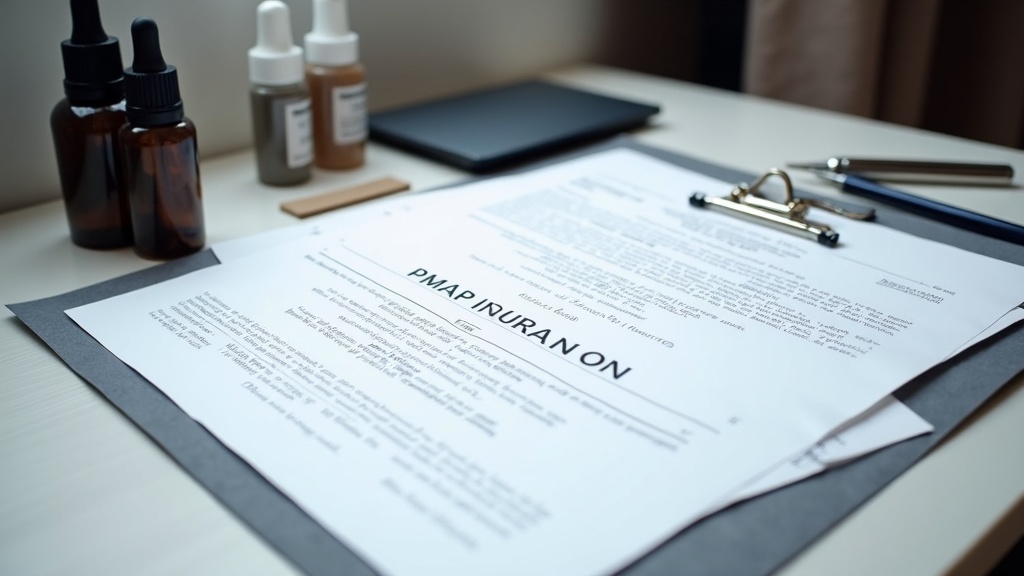
One of the most critical aspects of uk pmu laws is that licensing is handled at the local level. This means the rules can vary significantly from one council to another. What’s required in Manchester might be different from the regulations in London or Edinburgh. Your first and most important step is to contact your specific local authority or council.
Typically, you will need to apply for a special treatments licence, which covers procedures that pierce the skin, such as tattooing and permanent makeup. This process usually involves:
- Application Form: A detailed form about you, your qualifications, and your premises.
- Fee: A fee that varies depending on the council.
- Premises Inspection: An Environmental Health Officer (EHO) will visit your premises to ensure it meets the required hygiene and safety standards.
It is illegal to operate without the correct licence from your local council. At PMU Society, we guide our members through this often-confusing process, helping them understand the specific requirements for their area and ensuring their clinic is inspection-ready.
Struggling to make sense of your local council's requirements? Let us help you navigate the red tape. Book your free discovery call here.
Insurance: Your Non-Negotiable Safety Net
If you are performing PMU treatments in the UK, you absolutely must have comprehensive insurance. This is not optional. A valid permanent makeup licence uk 2026 is often contingent on having the right insurance cover in place. There are several types you need to consider:
- Public Liability Insurance: Protects you if a client or member of the public suffers an injury or property damage related to your business (e.g., they trip and fall in your clinic).
- Professional Indemnity Insurance: Covers you for claims of professional negligence, such as a client being unhappy with the result of a treatment.
- Treatment Risk Insurance: This is arguably the most crucial part of your pmu insurance uk. It covers you for claims arising from the treatment itself, such as allergic reactions, infections, or scarring.
Without the right insurance, you are personally liable for any claims, which could be financially devastating. For a deeper dive into this topic, we recommend reading our detailed guide on PMU Insurance and Regulations.
Related Posts

Hygiene and Infection Control: The Core of Client Safety
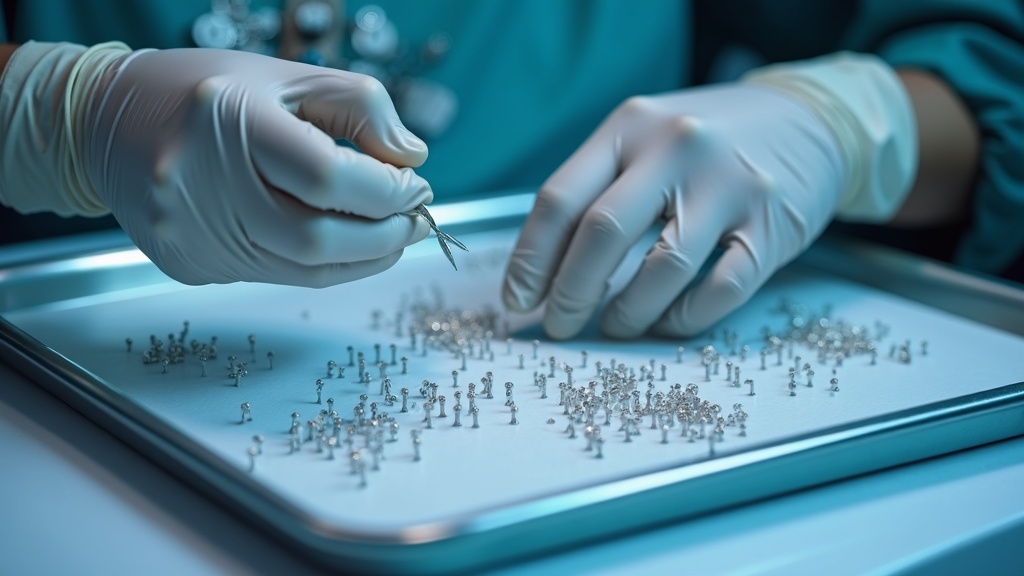
Maintaining impeccable hygiene is at the heart of the pmu regulations uk. Your local council inspector will pay very close attention to your infection control protocols. This is not just about looking clean; it’s about creating a sterile environment to prevent the transmission of blood-borne pathogens.
Key areas of focus include:
- Hand Hygiene: Proper hand washing facilities with hot and cold running water, soap, and disposable towels are mandatory.
- Personal Protective Equipment (PPE): You must wear single-use gloves for every client. Aprons and masks are also recommended.
- Single-Use Needles: All needles and cartridges must be sterile, single-use, and disposed of immediately after the treatment in a designated sharps container.
- Surface Decontamination: All surfaces, including your bed, trolley, and light, must be cleaned and disinfected with a hospital-grade disinfectant between every client.
- Waste Disposal: Clinical waste and sharps must be disposed of according to local regulations, which usually involves a contract with a specialist waste management company.
Your clinic’s cleanliness is a direct reflection of your professionalism. A pristine environment not only passes inspections but also gives clients the confidence that they are in safe hands. PMU Society provides its members with detailed checklists and protocols to ensure they meet and exceed these critical hygiene standards.
Training and Qualifications: Proving Your Expertise
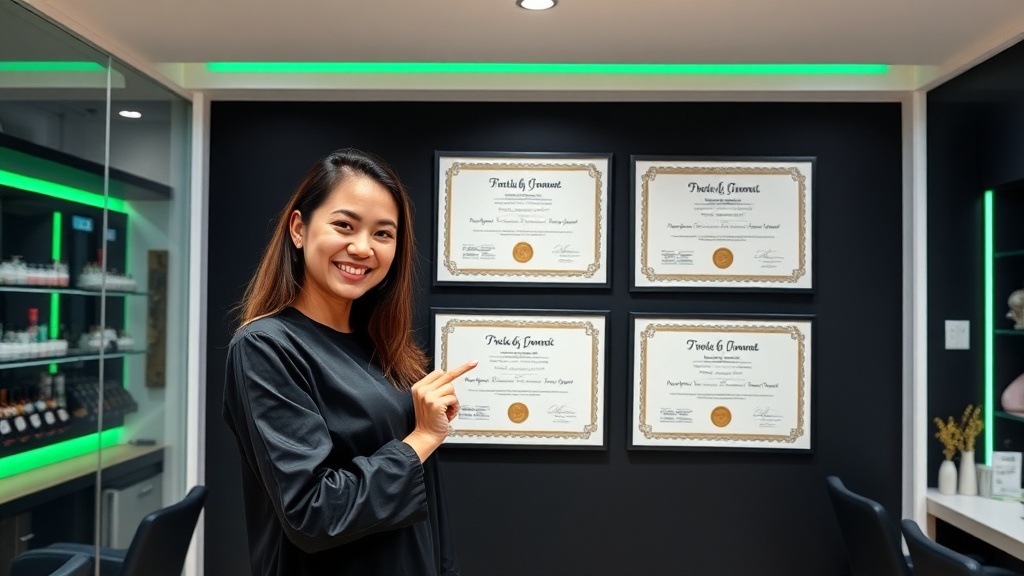
While the UK currently has a patchwork of requirements for training, the direction of travel is clear: the industry is moving towards standardized, accredited qualifications. To be taken seriously and to obtain proper pmu insurance uk, you need to have credible training under your belt.
Look for qualifications that are recognized by the industry and insurers, such as:
- VTCT Level 4 in Micropigmentation: This is becoming the gold standard qualification for PMU artists in the UK.
- SPCP (Society of Permanent Cosmetic Professionals) Certification: A globally recognized certification that demonstrates a commitment to high standards.
- Accredited Brand Training: Reputable training from well-known brands can be a great starting point, but should ideally be supplemented with a formal qualification like VTCT Level 4.
Regulators and insurance companies want to see that you have been properly trained in not just the artistic technique, but also in health and safety, infection control, and colour theory. Investing in high-quality education is an investment in your career and your clients’ safety. You can learn more about this in our guide to PMU Training and Certification.
Patch Testing and Client Consent: Your Legal Shield
Before you ever touch a client’s skin with a needle, two things must happen: a patch test and the signing of a detailed consent form. These are crucial steps in the uk pmu laws and are designed to protect both you and the client.
- Patch Testing: A patch test for both the pigment and any anaesthetic you plan to use must be carried out at least 24-48 hours before the procedure. This is to check for any allergic reaction. You must keep a record of the patch test result for every client.
- Consent Forms: This is your legal contract with the client. It should detail the procedure, the risks, the potential complications, the aftercare instructions, and confirm that the client has disclosed any medical conditions. The client must sign and date this form before the treatment begins.
Properly documented patch tests and consent forms are your first line of defence if a client ever makes a claim against you. They prove that you acted responsibly and that the client was fully informed. PMU Society provides its members with compliant, solicitor-approved consent form templates to ensure they are always protected.
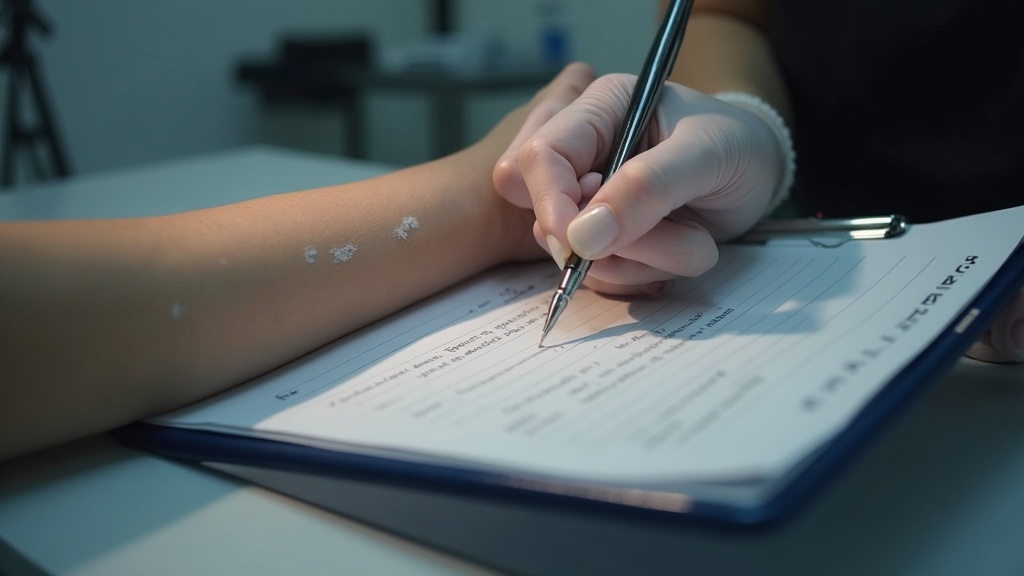
Need compliant consent forms and client management templates? We've got you covered. Book your free discovery call to learn more.
More Than Just the Procedure: Other Key Regulations
Beyond the core licensing and hygiene rules, a truly professional PMU artist in the UK must be aware of several other key compliance areas. These elements complete the picture of a safe, legal, and trustworthy practice.
Age Restrictions and Client Screening
In the UK, it is illegal to perform a PMU procedure on anyone under the age of 18, even with parental consent. There are no exceptions to this rule. Your client screening process, as part of your consultation protocol, must include age verification. Always ask for a valid, government-issued photo ID if you have any doubts.
GDPR and Client Data
As a PMU artist, you collect sensitive personal and medical data from your clients. Under the General Data Protection Regulation (GDPR), you have a legal duty to protect this information. This means storing client records securely (whether digital or paper), having a clear privacy policy, and not sharing client information without their explicit consent. Proper salon management includes robust data protection practices.
Premises Requirements and Inspections
Your clinic or treatment room must be fit for purpose. An Environmental Health Officer will inspect your premises to ensure it meets specific criteria, which often include:
- A dedicated, separate area for carrying out procedures.
- Smooth, non-porous, and easy-to-clean surfaces for floors, walls, and furniture.
- Adequate lighting and ventilation.
- A separate sink for hand washing, distinct from any equipment cleaning sink.

Staying Updated with Changing Regulations
The landscape of pmu regulations uk is not static. Laws and best practices can and do change. It is your professional responsibility to stay informed. Follow industry bodies, subscribe to trade publications, and network with other professionals.
This is where being part of a community like PMU Society becomes invaluable. We keep our finger on the pulse of the industry, providing our members with timely updates on regulatory changes, new safety protocols, and evolving uk pmu laws. We help you stay ahead of the curve, so you can focus on your artistry, confident that your business remains fully compliant.
Related Posts
Let PMU Society Be Your Compliance Partner
We know that navigating the complexities of pmu regulations uk can feel overwhelming. You want to build a thriving business, create beautiful work, and ensure your clients are safe, but the administrative burden can be a major distraction.
That’s where PMU Society comes in. We are more than just a marketing agency; we are a growth partner for ambitious PMU artists. We provide the systems, tools, and support to not only get you fully booked but also to ensure your business is built on a solid, compliant foundation. From providing compliant client forms to offering guidance on local authority licensing, we help you manage the regulations so you can focus on what you do best.
Ready to Build a Compliant and Thriving PMU Business?
Stop worrying about regulations and start focusing on growth. Partner with PMU Society and gain the peace of mind that comes from knowing your business is professional, safe, and fully compliant with all 2026 UK standards. Let us handle the complexities so you can handle the clients.
Get Started Today