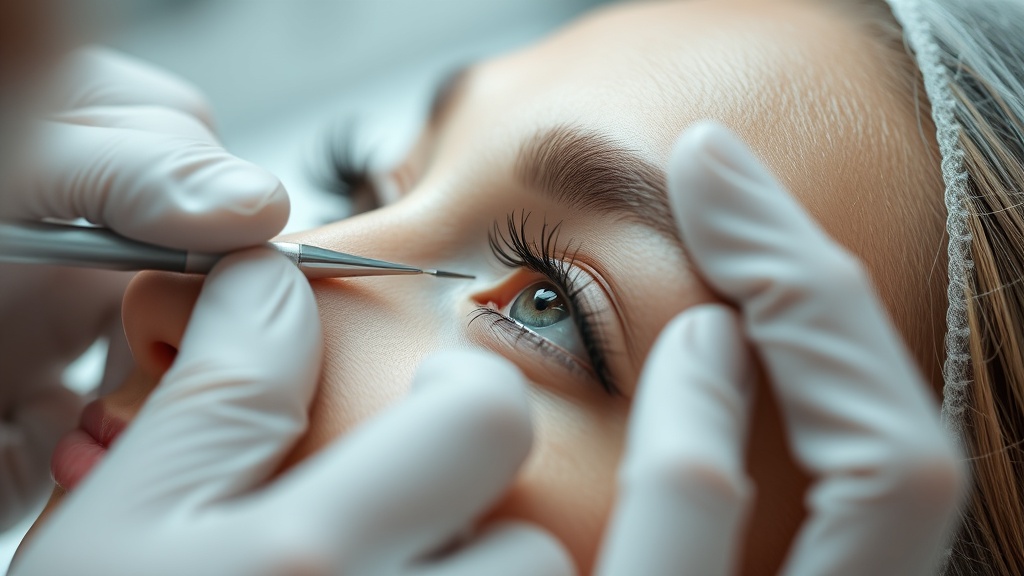
Oily skin. For many permanent makeup artists, those two words are enough to cause a headache. You create the crispest, most beautiful strokes, only for the client to return weeks later with a blurry, faded mess. It is frustrating for you and disappointing for your client. But what if you could conquer oily skin for good? What if you could achieve incredible healed results, every single time, regardless of skin type?
It is not a fantasy. At PMU Society, we have helped over a hundred artists master these challenges, collectively booking over 2,000 clients every month. It comes down to understanding the canvas and adapting your approach. Forget one size fits all solutions. Oily skin demands respect, precision, and a specific strategy. This guide will give you that strategy. We will break down exactly why oily skin is so tricky and provide actionable steps to adjust your technique, nail your aftercare, and set client expectations for flawless, long lasting results.
Why Oily Skin Is the PMU Artist’s Nightmare
First, let’s get into the science of it. Oily skin, or skin with overactive sebaceous glands, produces an excess of sebum. This natural oil is great for keeping skin hydrated, but it is the enemy of pigment. The constant production of oil literally pushes pigment out of the skin as it heals. Think of it like trying to paint on a greasy surface; the paint just will not stick properly.
This excess sebum also leads to larger pores and a thicker epidermis. When you are trying to implant pigment at the perfect depth, a thicker, oilier canvas makes your job significantly harder. The result? Strokes can blur and spread, creating a powdered or shaded look rather than the crisp, individual hair strokes you intended. For techniques like microblading, this can be particularly disastrous, turning a masterpiece into a muddle. This is a common struggle we see artists face before they join our community, but it is entirely fixable.
Furthermore, the constant cell turnover associated with oily skin means that the implanted pigment exfoliates away faster than in normal or dry skin types. This is why oily skinned clients often find their beautiful new brows or lip blush fading much more quickly, leading to more frequent touch up requests and potential client dissatisfaction if not managed correctly from the start.
Pre-Treatment Prep for Oily Skin
Success with oily skin begins before your needle ever touches their brow. Proper preparation is not just a suggestion; it is a requirement. You need to create the best possible canvas, and that means controlling the oil slick before you begin.
Start the consultation process by identifying the client’s skin type. If they present with visible shine, large pores, and a history of makeup sliding off, you are in oily territory. Instruct these clients on a specific pre treatment routine for the week leading up to their appointment. This should include using a gentle, oil free cleanser and avoiding heavy moisturisers on the forehead area. Some artists recommend a mild BHA or AHA exfoliant a few times in the week prior, but not the day before, to help reduce oil and remove dead skin cells.
On the day of the appointment, the prep is even more critical. Cleanse the area thoroughly with an alcohol free, oil cutting solution. A product containing witch hazel can be an excellent choice. Make sure the skin is completely dry and free of any residue. Some artists even swear by a final wipe with a saline solution to ensure the skin is perfectly prepped and ready for pigment. Do not skip this step. A clean, dry canvas is your first win in the battle against oil.
Technique Adjustments for Flawless Results
This is where the real artistry comes in. You cannot use the same pressure, depth, or even the same technique on oily skin as you would on a dry or normal skin type. You must adapt.
First, consider your needle choice. Many artists find that a machine, rather than a manual microblade, offers more control and better pigment implantation on oily skin. Techniques like nano brows or a combination brow, which incorporates machine shading, often yield far better, longer lasting results. The controlled movement of a machine can deposit pigment more consistently into that thicker epidermis.
When it comes to the actual work, think ‘less is more’. Go for lighter passes. Aggressive, deep passes on oily skin will only cause more trauma, leading to more oil production and blurred results. Build up the colour in layers. It is always better to add more at the touch up than to go too heavy on the first session. Use a slightly warmer pigment to counteract the cool tones often present in oily skin, which can make pigment heal ashier.
Shading is your best friend. Even if a client is desperate for pure microblading, incorporating some gentle shading between the strokes can create a beautiful, longer lasting result that mimics density and depth. This ‘combo brow’ approach provides a solid background for the strokes, so even if the strokes fade slightly, the overall shape and definition remain. It is about working with the skin, not against it.
PMU Society helps permanent makeup artists generate 30 to 90 new bookings in just 90 days. Want to see how it works? Book your free discovery call here.
The Ultimate Aftercare Routine for Oily Clients
Your work in the studio is only half the battle. The client’s aftercare routine is absolutely crucial for pigment retention, especially with oily skin. You need to provide them with clear, concise instructions that are easy to follow. This is a perfect opportunity to leverage a CRM like our Scale My Salon platform, which can automatically send out daily aftercare reminders and tips to your clients, ensuring they do not forget these vital steps.
For oily skin, the key is to keep the area clean and dry, but not too dry. The old ‘dry heal’ method can actually stimulate more oil production as the skin tries to compensate. Instead, recommend a gentle blotting routine. The client should use a clean, dry tissue or blotting paper to gently press on the area several times a day to absorb excess oil. This prevents the oil from sitting on the surface and pushing out the pigment.
Provide them with a very light, non comedogenic aftercare ointment. They should use the absolute smallest amount, just a rice grain sized piece for both brows, applied with a clean cotton bud once or twice a day. Over applying aftercare products can suffocate the skin and trap oil, leading to poor healing. The goal is to provide a breathable barrier that protects the area without clogging pores.
Setting Realistic Expectations: The Touch Up Talk
This is a conversation you must have with every oily skinned client before you even pick up your tool. You must manage their expectations. Be direct and confident. Explain to them, using the analogies we have discussed, why their skin type is more challenging. Show them examples of healed work on oily skin, pointing out that the results may be softer and less crisp than on dry skin.
Most importantly, prepare them for more frequent touch ups. While a client with normal skin might go 18 to 24 months between appointments, a client with oily skin will likely need a colour boost every 9 to 12 months. Frame this not as a negative, but as a necessary part of maintaining their investment. When clients understand the ‘why’ behind it, they are far more accepting and appreciative of your honesty.
This transparency builds immense trust. It positions you as the expert and prevents any future disappointment or complaints. A client who is educated about their skin and the process is a happy client, even if it means they see you a little more often. This is a core principle we teach at PMU Society; client education is the foundation of a successful, reputable business.
Show, Don’t Just Tell: The Power of Healed Results
Words are one thing, but proof is everything. Your single greatest marketing tool for attracting and reassuring oily skinned clients is your portfolio. Do not just show fresh, immediately after pictures. They are dramatic, but they are not real. The real magic is in the healed results, especially on challenging skin types.
Make a dedicated effort to get your oily skinned clients back for healed photos before their touch up. Showcase these photos prominently on your Instagram, your website, and in your consultation book. When a new client with oily skin comes to you, full of doubt after being turned away by other artists, you can confidently show them beautiful, healed, long lasting work on someone with the exact same skin type. This instantly demolishes their fears and establishes you as a true specialist.
Create posts and stories that specifically talk about working with oily skin. Share a before, immediately after, and a healed photo of the same client. Explain in the caption the techniques you used and how you managed the healing process. This not only educates your audience but also attracts more of these clients, turning what was once a weakness into a profitable niche for your business.
Ready to Fill Your Calendar?
PMU Society has helped over 100 permanent makeup artists build thriving, fully booked businesses. We generate over 2,000 bookings every single month. Let us do the same for you.
Get Started Today